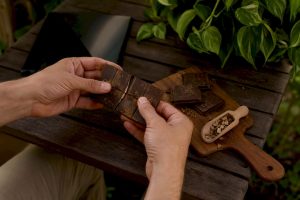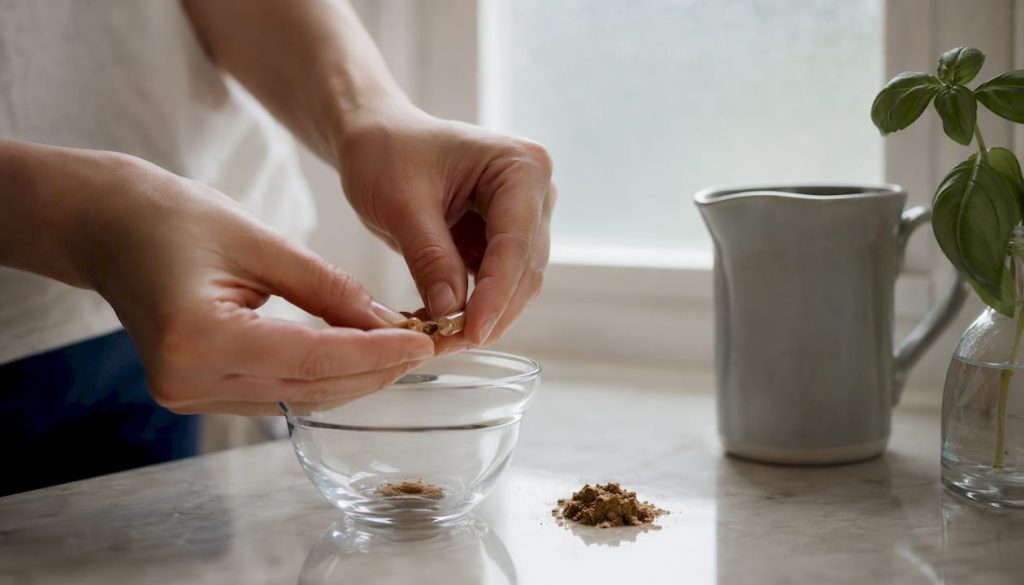
Mushroom capsules can plausibly support immune function, cognitive health, and energy, but the strength of that evidence varies sharply by species. Turkey tail (PSK) has the most robust human trial data, primarily as a cancer-adjunct. Lion’s mane has two small but well-controlled RCTs suggesting cognitive and mood benefits in older adults. Reishi and cordyceps have modest human trial support for fatigue and stress. Chaga and maitake remain largely in the animal and in vitro category for most claimed benefits. If you are healthy and hoping for dramatic changes, the evidence does not yet support that expectation. If you are an older adult seeking cognitive support or a cancer patient exploring adjunct options, the data is more relevant to you, though still limited.
What the evidence supports at a glance:
- Likely helpful (based on human data): Turkey tail PSK as a cancer-adjunct (under clinician guidance); lion’s mane for mild cognitive impairment in older adults
- Possible (animal or small human trials): Reishi for fatigue and stress; cordyceps for exercise performance; maitake for blood sugar regulation
- Not proven in humans: Chaga for most claimed benefits; any species for dramatic immune “boosting” in healthy adults
Safety callout: Common mild side effects include GI upset, dry mouth, and occasional headaches. More serious concerns involve interactions with immunosuppressants, anticoagulants, and chemotherapy agents. Pregnant or breastfeeding individuals and anyone on prescription medications should consult a healthcare provider before starting any mushroom supplement. Operation Supplement Safety (OPSS) states plainly that current evidence does not support claiming safety or effectiveness for mushroom supplements beyond their value as food.
Key Takeaways
Turkey tail PSK has the strongest human clinical evidence of any mushroom supplement, while lion’s mane, reishi, and cordyceps have limited but real human trial support for specific populations and outcomes.
| Point | Details |
|---|---|
| Evidence varies by species | Turkey tail PSK leads in human RCT data; lion’s mane has two small cognitive RCTs; chaga and maitake rely mostly on animal studies. |
| Fruiting body over mycelium | Choose products specifying fruiting body with a disclosed beta-glucan percentage; mycelium-on-grain powders often lack meaningful active concentrations. |
| Dose range to target | Most consumer products provide 500–2,000 mg/day; clinical turkey tail PSK trials used 3,000 mg/day. |
| Run a full trial period | Trials showing effects ran 4–16 weeks; judge a product only after a consistent 8–12 week trial at the correct dose. |
| Theshroomzstore quality standard | Theshroomzstore curates fruiting body extracts with disclosed beta-glucan assays and third-party COAs across its wellness capsule range. |
Table of Contents
- What are mushroom capsules and extracts, exactly?
- What do mushroom capsules actually do? Benefits by species
- What does the science actually show?
- Who is most likely to benefit from mushroom capsules?
- Safety, side effects, and drug interactions
- How to choose a high-quality mushroom capsule
- Dosage, timing, and what to expect
- Practical tips for daily use
- What the evidence-first approach actually means for mushroom supplements
- Theshroomzstore’s curated mushroom capsule collection
- Sources
- FAQ
What are mushroom capsules and extracts, exactly?
Mushroom supplements come in several forms: capsules, powders, tinctures, and gummies. Capsules are the most popular format for one practical reason: the dose is standardized and there is no taste to manage. A capsule typically contains a measured amount of dried mushroom powder or concentrated extract, making it easier to track how much you are actually taking compared to loose powder stirred into coffee.
The more important distinction is what is inside the capsule.
Fruiting body vs. mycelium-on-grain
The fruiting body is the part of the mushroom you would recognize visually. It contains the highest concentrations of bioactive compounds, particularly beta-glucans, the polysaccharides most associated with immune effects. Mycelium is the root-like network that grows before the fruiting body forms. Many budget supplements grow mycelium on a grain substrate (usually rice or oats), then dry and powder the whole thing. The result is a product that is largely starch, with significantly lower beta-glucan concentrations than a fruiting body extract. Category reviews consistently recommend prioritizing fruiting body extracts and products that disclose their beta-glucan percentage for exactly this reason.
Extraction types and what they pull out
- Hot-water extract: Pulls out water-soluble polysaccharides, including beta-glucans. Most immune-related compounds fall here.
- Alcohol extract: Pulls out fat-soluble compounds like triterpenoids (relevant for reishi’s calming and liver-support claims).
- Dual extract: Combines both methods. Preferred when you want both polysaccharides and triterpenoids, as with reishi.
- Full-spectrum: A marketing term with no standardized definition. Ask for a COA.
Label terms worth knowing
When you pick up a bottle, look for: “fruiting body” (not just “mycelium”), a stated beta-glucan percentage, the extraction type, an extract ratio (e.g., 10:1), and a note that a Certificate of Analysis (COA) is available. If none of those appear, the product is almost certainly a mycelium-on-grain powder at a premium price.
What do mushroom capsules actually do? Benefits by species
The six species you will see most often in supplements each have a distinct evidence profile. Here is how they compare across the dimensions that matter most for a buyer.

| Species | Primary claimed benefit | Strength of human evidence | Typical study dose | Extraction type studied | Common side effects / contraindications |
|---|---|---|---|---|---|
| Lion’s mane (Hericium erinaceus) | Cognitive support, mood | Moderate — 2 small RCTs in older adults / MCI | 500–3,000 mg/day fruiting body extract | Hot-water (fruiting body) | Mild GI upset; avoid with blood thinners |
| Reishi (Ganoderma lucidum) | Stress, fatigue, immune modulation | Limited — 1 modest RCT for fatigue; small trials | 2,000 mg/day extract | Dual extract | Dry mouth, dizziness; caution with anticoagulants |
| Cordyceps (C. sinensis / militaris) | Energy, exercise performance | Limited — small trials, mixed results | 3,000 mg/day | Hot-water or dual extract | Mild GI upset; caution in autoimmune conditions |
| Turkey tail (Trametes versicolor) | Immune adjunct (cancer context) | Strongest — Phase III RCTs for PSK in cancer adjunct | 3,000 mg/day PSK (clinical) | Hot-water (PSK/PSP) | Generally well tolerated; discuss with oncologist |
| Chaga (Inonotus obliquus) | Antioxidant, anti-inflammatory | Weak — mostly animal/in vitro | 2,000 mg/day (consumer products) | Hot-water | Oxalate content; caution with kidney disease |
| Maitake (Grifola frondosa) | Blood sugar regulation, immune | Limited — small human trials | 500 mg/day | Hot-water | Mild GI upset; caution with diabetes medications |
Lion’s mane
Two small but well-controlled RCTs found that lion’s mane fruiting body extract improved cognitive scores and mood in elderly adults and menopausal women. A PMC review of clinical evidence notes these effects have not been replicated in younger healthy adults, so the “sharper focus for everyone” marketing claim runs ahead of the data. The proposed mechanism involves stimulation of nerve growth factor (NGF) synthesis, which supports neuronal maintenance. Plausible biology, limited clinical proof outside specific populations.
Reishi
Reishi is the most studied species for stress and fatigue, but the human trial base is thin. One modest RCT showed reduced fatigue scores in breast cancer survivors. Traditional use is extensive, and the triterpenoid compounds (ganoderic acids) have documented anti-inflammatory and liver-protective activity in animal models. For a dual extract, you want both the hot-water and alcohol fractions. For more on reishi’s specific safety profile, Theshroomzstore’s guide to chaga and reishi covers the nuances in detail.
Cordyceps
Cordyceps (C. militaris is the cultivated species used in most supplements; C. sinensis is the wild parasitic variety) is most often marketed for energy and athletic endurance. Small trials have shown modest improvements in VO2 max and reduced fatigue in older adults, but results in trained athletes are inconsistent. The mechanism likely involves adenosine analogs that influence ATP production. Worth trying if endurance is your goal, but do not expect the performance gains some marketing copy implies.
Turkey tail
Turkey tail’s polysaccharide-K (PSK) is the most clinically validated compound in the entire medicinal mushroom category. PMC reviews confirm that the strongest human evidence for any mushroom supplement is PSK used as a cancer-adjunct, particularly in post-surgical gastric and colorectal cancer patients in Japanese clinical trials. This is not a general immune booster claim. It is a specific, context-dependent finding. Memorial Sloan Kettering Cancer Center advises cancer patients to discuss turkey tail use with their oncology team before starting.

Chaga
Chaga has a strong antioxidant reputation, and its ORAC values are genuinely high. The problem is that antioxidant activity in a test tube does not translate reliably into clinical benefit. Human trials are essentially absent. Chaga also contains oxalates in meaningful amounts, which is a real concern for anyone with kidney disease or a history of kidney stones. The Forbes Health summary of medicinal mushroom bioactives acknowledges the plausible antioxidant and anti-inflammatory mechanisms while noting the evidence limitations.
Maitake
Maitake contains beta-glucan fractions (particularly the D-fraction) that have shown immune-modulating effects in small human trials and animal studies. Some research suggests it may help regulate blood glucose, which makes it relevant for metabolic health, but the human evidence is preliminary. If you are on diabetes medication, the potential additive effect on blood sugar is worth discussing with your doctor.
What does the science actually show?
The honest answer is that the human clinical evidence for mushroom supplements is thinner than the marketing suggests, but it is not zero.
Evidence tiers
The gold standard is a Phase III randomized controlled trial (RCT) with a large sample, placebo control, and pre-registered outcomes. Turkey tail PSK has that, in the oncology context. Below that sit small placebo-controlled RCTs (lion’s mane cognitive trials, reishi fatigue trial), open-label trials with no control group, animal and in vitro studies, and observational or traditional-use data. Most of the mushroom supplement literature sits in the lower tiers.
Beta-glucan immunomodulation is a documented pharmacological mechanism for many medicinal mushrooms, meaning the biology is plausible. Beta-glucans bind to receptors on immune cells (particularly Dectin-1 on macrophages and dendritic cells) and trigger downstream signaling that can upregulate immune activity. The gap is between that mechanism and consistent clinical benefit in healthy people. Biological plausibility is not clinical proof.
What the strongest findings actually measured
The lion’s mane RCTs measured cognitive test scores and mood questionnaires in adults with mild cognitive impairment (MCI) or menopausal symptoms, not general sharpness in healthy 30-year-olds. The turkey tail PSK trials measured survival and recurrence rates in post-surgical cancer patients receiving it alongside standard chemotherapy. Reishi’s fatigue trial measured self-reported fatigue scores in cancer survivors. These are specific populations, specific outcomes, specific extract types.
Common research limitations
- Small sample sizes (many trials have fewer than 50 participants)
- Short follow-up periods (4–16 weeks in most cases)
- Inconsistent extract types across studies (fruiting body vs. mycelium, hot-water vs. dual)
- Variable dosing protocols
- Publication bias toward positive results
- Most trials conducted in Asia with extract preparations not always available in U.S. consumer products
OPSS notes that the gap between traditional use and strong human clinical data remains wide, and that consumers should not interpret traditional use as evidence of effectiveness for specific health claims.
Who is most likely to benefit from mushroom capsules?
The evidence does not support mushroom capsules as a universal wellness upgrade. But for specific groups, the data is more encouraging.
Older adults with mild cognitive impairment are the population closest to the lion’s mane trial participants. If cognitive decline is a real concern rather than a desire for sharper focus at 28, the evidence is at least pointing in the right direction.
Cancer patients as an adjunct to standard treatment represent the clearest evidence-based use case, specifically for turkey tail PSK. This is not a replacement for oncology care. It is a potential complement, and it requires a conversation with your oncologist. MSKCC’s guidance is clear on this point.
Adults with chronic fatigue or high stress loads may find reishi or cordyceps worth a trial, with realistic expectations. The adaptogen framing has some biological support, but the human trials are small and the effect sizes modest.
Healthy young adults seeking dramatic immune “boosting” or cognitive enhancement are the group least supported by current evidence. The compounds are real, the mechanisms are plausible, but the clinical proof of meaningful benefit in this population is not there yet.
Realistic timelines
Trials that showed effects typically ran 4–16 weeks. If you try a quality product for less than four weeks and notice nothing, that is not a fair test. If you run a full 8–12 weeks with a well-sourced fruiting body extract at an appropriate dose and still notice nothing, the product may not be the right fit for your biology or goals. For more on what mushroom supplements do across different formats, this overview of mushroom gummy benefits covers the broader wellness picture.
Safety, side effects, and drug interactions
Most people tolerate mushroom capsules well. The side effects reported in trials are generally mild and transient.
Common mild side effects:
- GI upset (nausea, loose stools, bloating), most often at higher doses
- Dry mouth, particularly with reishi
- Headaches, reported occasionally with lion’s mane
- Skin rash in rare cases (more common with reishi)
Clinically important interactions and cautions:
Mushroom supplements with immune-stimulating activity (turkey tail, maitake, reishi) can potentially interfere with immunosuppressant medications used after organ transplants or for autoimmune conditions. Reishi and some other species have mild anticoagulant properties that may amplify the effects of blood thinners like warfarin. Anyone on chemotherapy, immunosuppressants, anticoagulants, or diabetes medications should discuss mushroom supplement use with their prescribing physician before starting.
Populations who should check with a provider first:
- Pregnant or breastfeeding individuals (insufficient safety data)
- People with autoimmune conditions on immunosuppressants
- Anyone on anticoagulants or antiplatelet drugs
- People with kidney disease (chaga’s oxalate content is a specific concern)
- Cancer patients, particularly those in active treatment
If you experience unusual symptoms after starting a mushroom supplement, stop taking it and contact your healthcare provider. For a broader look at safety across edible mushroom formats, Theshroomzstore’s safety guide for mushroom gummies applies many of the same principles.
One clarification worth making for new readers: the functional mushroom species covered here (lion’s mane, reishi, cordyceps, turkey tail, chaga, maitake) are not psychoactive. They do not contain psilocybin and will not produce any psychedelic effects.
How to choose a high-quality mushroom capsule
The supplement market is largely unregulated, and mushroom products vary more than almost any other category. A checklist approach is the most reliable way to filter out low-quality products.
What to look for on the label
- “Fruiting body” specified — not just “mycelium” or “full-spectrum” without clarification
- Beta-glucan percentage disclosed — a quality fruiting body extract typically shows 20–40% beta-glucans; a mycelium-on-grain product rarely discloses this because the number would be unflattering
- Extraction type labeled — hot-water, alcohol, or dual extract; “powder” alone is a red flag
- Extract ratio stated — e.g., 10:1 means 10 kg of raw material per 1 kg of extract
- COA available — either on the website or by request; no COA means no verification
- No artificial fillers, colors, or unnecessary binders
- Transparent serving size — mg per capsule clearly stated, not buried in a proprietary blend
Third-party testing and verification
USP Verified is one of the most recognized third-party verification marks for dietary supplements in the U.S. It confirms that the product contains what the label says, in the stated amounts, and has been tested for contaminants including heavy metals and microbes. Not every quality brand carries the USP mark, but any reputable brand should have a third-party COA available.
Pro Tip: When reading a COA, focus on three things: the beta-glucan assay result (does it match the label claim?), heavy metal results (lead, arsenic, mercury, cadmium should all be below established limits), and microbial counts (total aerobic bacteria, yeast, and mold). If a COA only shows identity testing and no potency or contaminant data, it is not a complete COA.
What a quality label looks like
COA available at [URL]." If the label says “Lion’s Mane Mushroom Mycelium Powder” with no extraction or beta-glucan data, you are likely buying a starch-heavy product at a fruiting body price. For a curated breakdown of what to look for across mushroom product types, Theshroomzstore’s safety-first wellness guide walks through the key quality markers.
Dosage, timing, and what to expect
Most consumer mushroom supplements provide 500–2,000 mg per day, which aligns with the lower end of doses used in clinical trials. The clinical doses for specific applications (particularly turkey tail PSK at 3,000 mg/day) are higher than many consumer products deliver.

Dose ranges by species
Timing and cycling
Most trials dosed once or twice daily with food, which also tends to reduce GI side effects. There is no strong evidence that morning vs. evening timing matters significantly for most species, though some users report reishi taken at night supports sleep quality. Cordyceps is often taken pre-workout given its proposed energy mechanism.
No established cycling protocol exists in the clinical literature. Some practitioners suggest a 5-days-on, 2-days-off pattern or a break after 8–12 weeks, but this is practical guidance rather than trial-supported protocol.
Cost expectations
Quality fruiting body extracts with disclosed beta-glucan content typically run $30–$60 per month at standard doses. Mycelium-on-grain capsules can be found for $10–$20 per month. The price difference reflects real differences in manufacturing cost and active compound concentration. Buying the cheaper product and doubling the dose does not close that gap if the beta-glucan content is not disclosed.
Practical tips for daily use
Getting consistent results from mushroom capsules comes down to a few habits that most people skip.
- Start at the lower end of the dose range for the first two weeks. GI tolerance varies, and starting low lets you identify any sensitivity before committing to a full dose.
- Keep a simple 4–12 week log. Track the specific outcome you care about: sleep quality (rate 1–10 nightly), energy levels, illness frequency, or a cognitive measure like a free online working memory test. Without a baseline, you cannot tell if anything changed.
- Take capsules with food unless the label specifies otherwise. Food reduces the likelihood of GI upset and may improve absorption for fat-soluble compounds.
- Store in a cool, dry place away from direct light. Heat and humidity degrade beta-glucans and triterpenoids faster than most people realize.
- Single-species first. If you start with a multispecies blend and notice an effect (or a side effect), you will not know which species is responsible. Start with the species most aligned with your goal, run a full trial, then add a second if needed.
- Match the species to your goal. Cognitive support points to lion’s mane. Stress and fatigue point to reishi or cordyceps. Immune adjunct in an oncology context points to turkey tail, with clinician guidance.
Stacking multiple species is not inherently problematic, but it complicates interpretation. The evidence base for multispecies blends is even thinner than for individual species, so simplicity is a practical advantage during an initial trial period.
What the evidence-first approach actually means for mushroom supplements
The mushroom supplement category sits in an uncomfortable middle ground: the biology is genuinely interesting, the traditional use is centuries deep, and the human clinical evidence is real but narrow. What bothers me about most coverage of this topic is that it swings between two unhelpful extremes. Either mushroom capsules are framed as miracle compounds that will transform your immune system and sharpen your mind, or they are dismissed entirely as expensive placebo. Neither is accurate.
The honest picture is more specific. Turkey tail PSK has earned its place in oncology-adjacent conversations through real Phase III trial data. Lion’s mane has two small but methodologically sound RCTs that point toward cognitive benefit in older adults with MCI. Those are meaningful findings. They are also narrow ones. Extrapolating them to “mushroom capsules will boost your immunity and focus” for a healthy 35-year-old is a stretch the data does not support.
What I think gets underestimated is the product quality problem. Even if you accept the best available evidence for a species, a mycelium-on-grain capsule with no beta-glucan disclosure is not delivering what those trials used. The gap between what was studied and what is sold is often larger than the gap between the studied compound and a placebo. That is the real issue for most consumers. Choosing a fruiting body extract with a disclosed beta-glucan percentage and a third-party COA is not just a nice-to-have. It is the minimum condition for the evidence to be relevant to your purchase.
The safety picture is also more nuanced than most articles acknowledge. For healthy adults at standard doses, the risk profile is low. For anyone on immunosuppressants, anticoagulants, or active cancer therapy, the interaction risks are real and worth a conversation with a clinician. That is not a reason to avoid the category. It is a reason to approach it with the same care you would give any bioactive compound.
Theshroomzstore’s curated mushroom capsule collection
If you have read this far, you already know what separates a quality mushroom capsule from a starch-heavy mycelium powder. Theshroomzstore applies exactly those standards to its curated wellness capsule lineup: fruiting body sourcing, disclosed beta-glucan assays, and third-party testing documentation available for every product.

The collection covers the species with the strongest evidence profiles: lion’s mane for cognitive support, reishi for stress and fatigue, cordyceps for energy, and turkey tail for immune adjunct use. Every product in the range is selected with the same safety-first criteria this article outlines: extraction type labeled, COA available, no unnecessary fillers. For readers comparing capsule formats with other delivery options, the mushroom gummy reviews section covers potency and label transparency across edible formats.
Ready to shop with confidence? Browse the best mushroom products for wellness at Theshroomzstore and filter by the quality markers that actually matter.
Sources
The following sources were used in preparing this article and are recommended for further reading:
- Mushroom dietary supplements
- What Happens to Your Body When You Take Mushroom Supplements
- Mushroom Supplements: Benefits, Risks & More – Forbes Health
- Do Mushroom Supplements Boost Immunity Against Cancer?
- Usp
This article is general information, not a substitute for advice from a qualified doctor. Consult a qualified healthcare professional about your own circumstances before acting on anything here.
FAQ
Are mushroom capsules actually effective?
For specific populations and outcomes, yes. Turkey tail PSK has Phase III RCT support as a cancer-adjunct; lion’s mane has two small RCTs for cognitive outcomes in older adults with MCI. For healthy adults seeking general immune or cognitive enhancement, the human evidence is limited and results are likely modest at best.
What is the right mushroom capsules dosage to start with?
Most consumer products deliver 500–2,000 mg per day, which aligns with the lower range of clinical trial doses. Start at the lower end for the first two weeks to assess tolerance, then increase to the full label dose if no side effects occur.
Which mushroom capsule is best for energy?
Cordyceps (C. militaris) is the species most studied for energy and exercise performance, with small trials showing modest improvements in VO2 max and fatigue reduction in older adults. Results in trained athletes are inconsistent, so expectations should be calibrated accordingly.
Can mushroom capsules interact with medications?
Yes. Species with immune-stimulating activity (turkey tail, maitake, reishi) may interfere with immunosuppressants. Reishi has mild anticoagulant properties that can amplify blood thinners like warfarin. Anyone on prescription medications should consult their healthcare provider before starting any mushroom supplement.
How do you know if a mushroom capsule is high quality?
Look for fruiting body specified on the label, a disclosed beta-glucan percentage, a stated extraction type (hot-water, alcohol, or dual), and a third-party COA available on request. USP Verified products have passed independent identity, potency, and contaminant testing.